Tempora Research
Personalizedtimingintelligence.
Tempora reads time the way a research firm reads a market. Dated claims. Published methodology.
Engine-grounded · Computed live · Published reconciliation
The science of light
Tempora Research
Tempora reads time the way a research firm reads a market. Dated claims. Published methodology.
Engine-grounded · Computed live · Published reconciliation
The science of light
Product
The science of your light.
The same engine Tempora uses to study markets and geopolitics, applied to your birth data. Ask one question. The chart is computed live and the answer is grounded in its trace.
Temporal methods applied to markets, geopolitics, sport and human performance. All findings →
Observational research, marked exploratory. Tempora provides information for your own judgement and gives no investment advice.
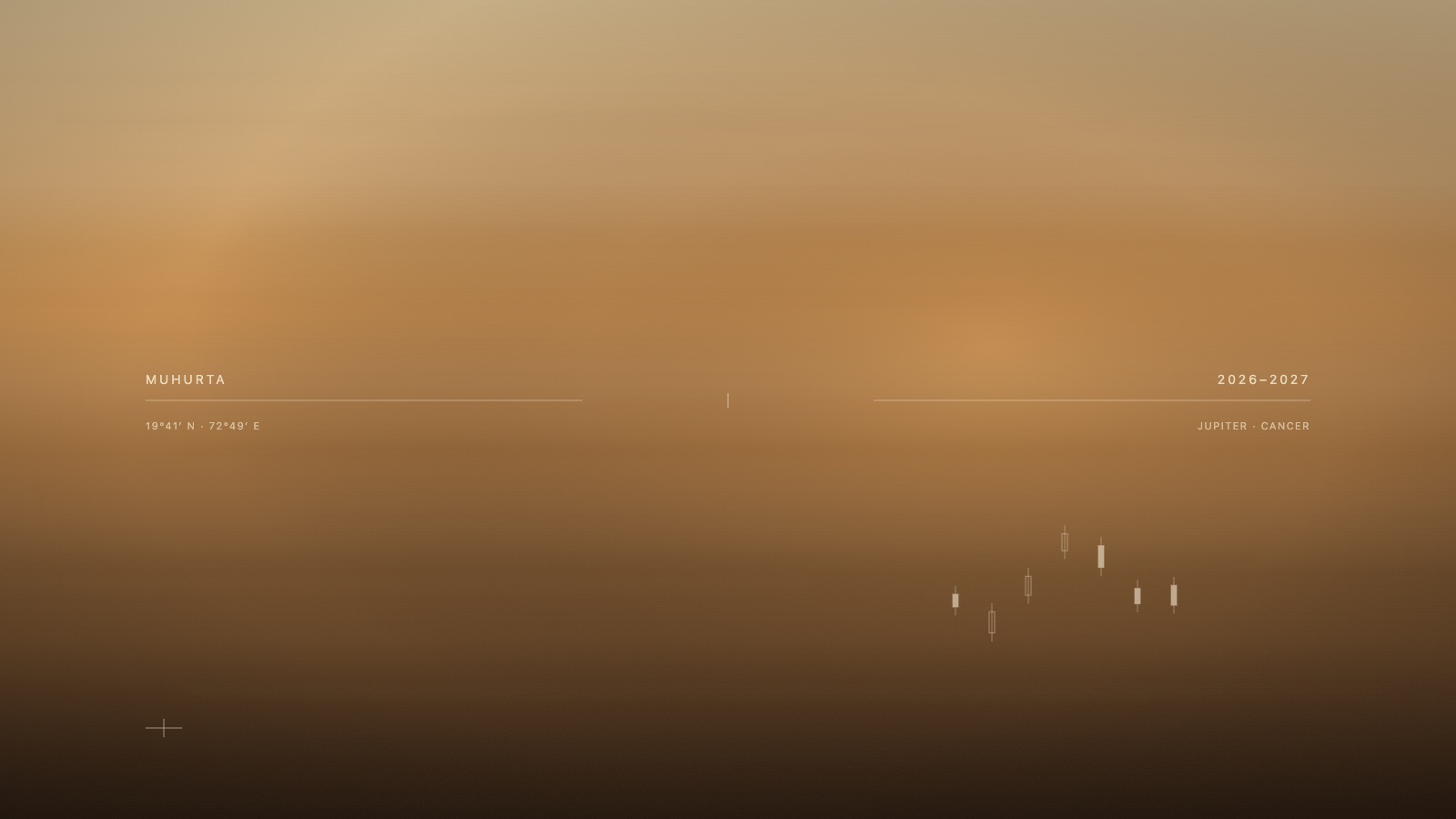
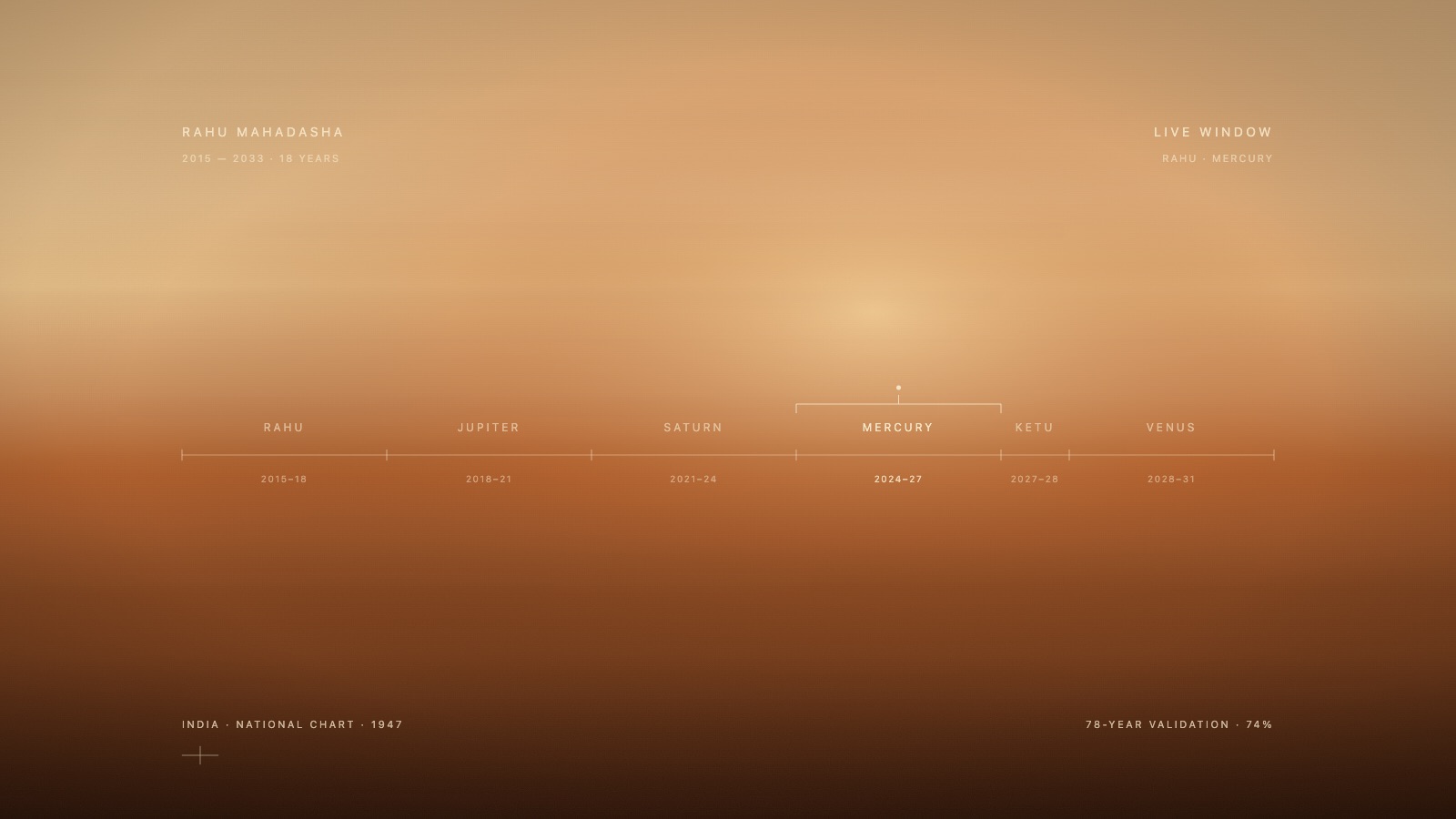
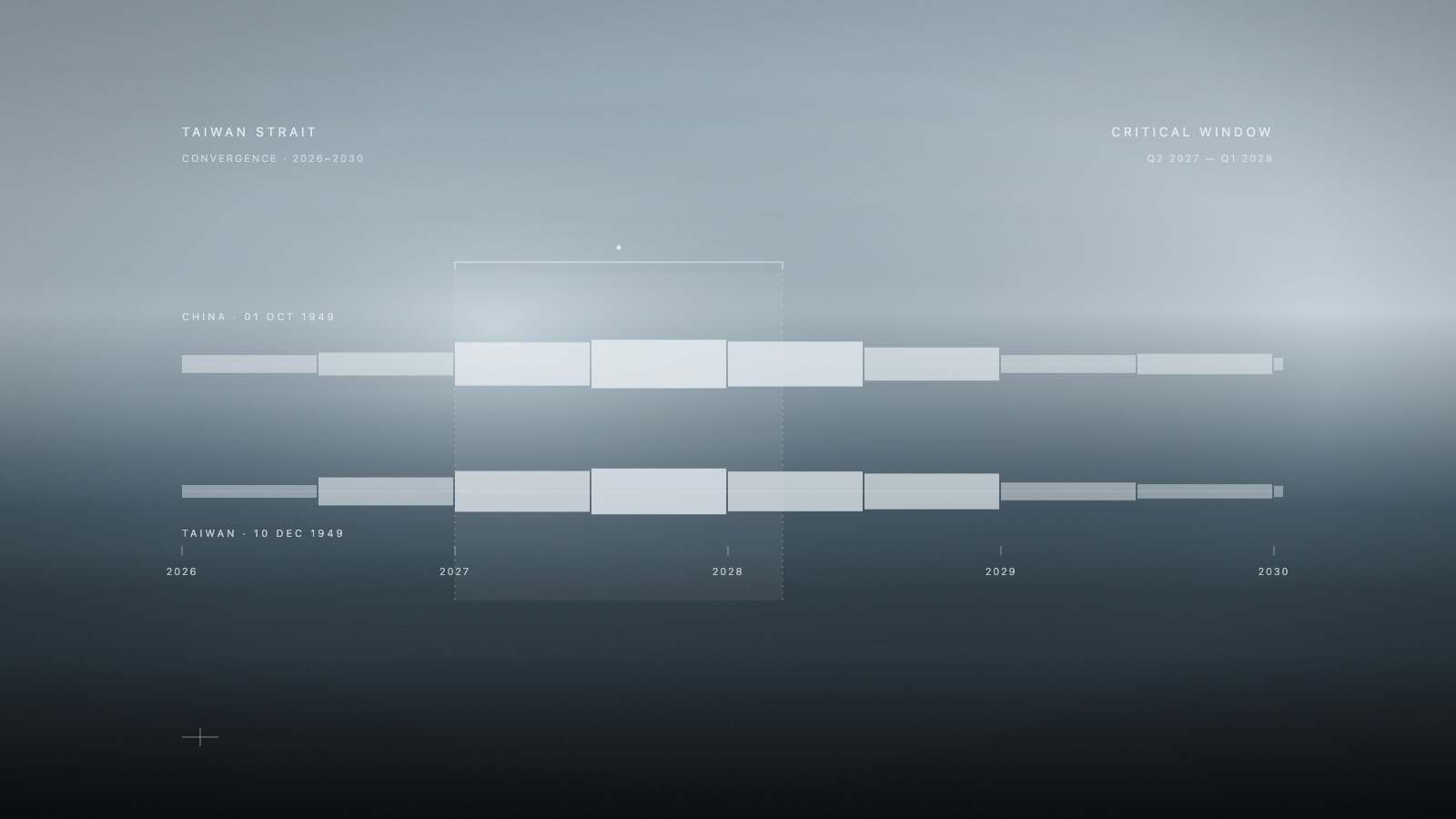
Audit · Tracker
Every forward call published with a date and the condition under which it would be wrong. Outcomes reconciled. The call resolves true when the windows land. The call resolves false when they miss. Both are logged.
See the tracker →One engine across five scales. You met Kaal above. These are the rest.
See products →
The tradition supplies the observational method. The instrument makes it computable.